How to Choose the Best Healthcare Solutions for Your Needs
In today's rapidly evolving healthcare landscape, selecting the right healthcare solutions tailored to individual needs can be a daunting task. As Dr. Sarah Thompson, a leading expert in healthcare innovation, aptly states, "The future of healthcare depends not just on advanced technology, but on finding solutions that truly resonate with the patient's unique circumstances." This sentiment underscores the importance of personalizing healthcare solutions to enhance patient outcomes and satisfaction.
When navigating the myriad of options available, individuals need to consider various factors, from technology integration to the quality of service provided. Understanding your specific health requirements and preferences will empower you to make informed decisions that align with your lifestyle. In this guide, we will explore effective strategies to evaluate and choose the best healthcare solutions, ensuring they cater to your unique situation and facilitate better health management.
By delving into the intricacies of healthcare solutions, we aim to equip you with the knowledge and tools necessary for making choices that positively impact your well-being. Whether you seek telehealth services, personalized medicine, or comprehensive care plans, our insights will help you navigate this complex landscape with confidence.

Identifying Your Personal Healthcare Needs and Goals
Identifying your personal healthcare needs and goals is a crucial step in selecting the best healthcare solutions for you. According to a recent report by the National Health Council, nearly 50% of adults in the U.S. live with at least one chronic condition, and tailored healthcare solutions can significantly improve their quality of life. To effectively identify your needs, start by evaluating your current health state, considering any existing conditions, and understanding how they impact your daily activities.
**Tips for Identifying Your Healthcare Needs:**
1. Conduct a self-assessment to understand any symptoms you may have and how they affect your life.
2. Keep a detailed health journal that records medications, dietary habits, and physical activity to help identify patterns and areas for improvement.
Once you have a clear understanding of your health, set specific, measurable goals. The CDC emphasizes the importance of personalized care; they found that patients who engage in their healthcare planning are more likely to adhere to treatment recommendations. Consider factors such as lifestyle changes, preventative measures, and regular checkups as part of your healthcare strategy.
**More Tips:**
1. Consult with healthcare professionals to gain insights based on your health records and personal history.
2. Seek support from communities or resources that align with your health goals, enhancing motivation and accountability.
Evaluating Different Types of Healthcare Solutions Available
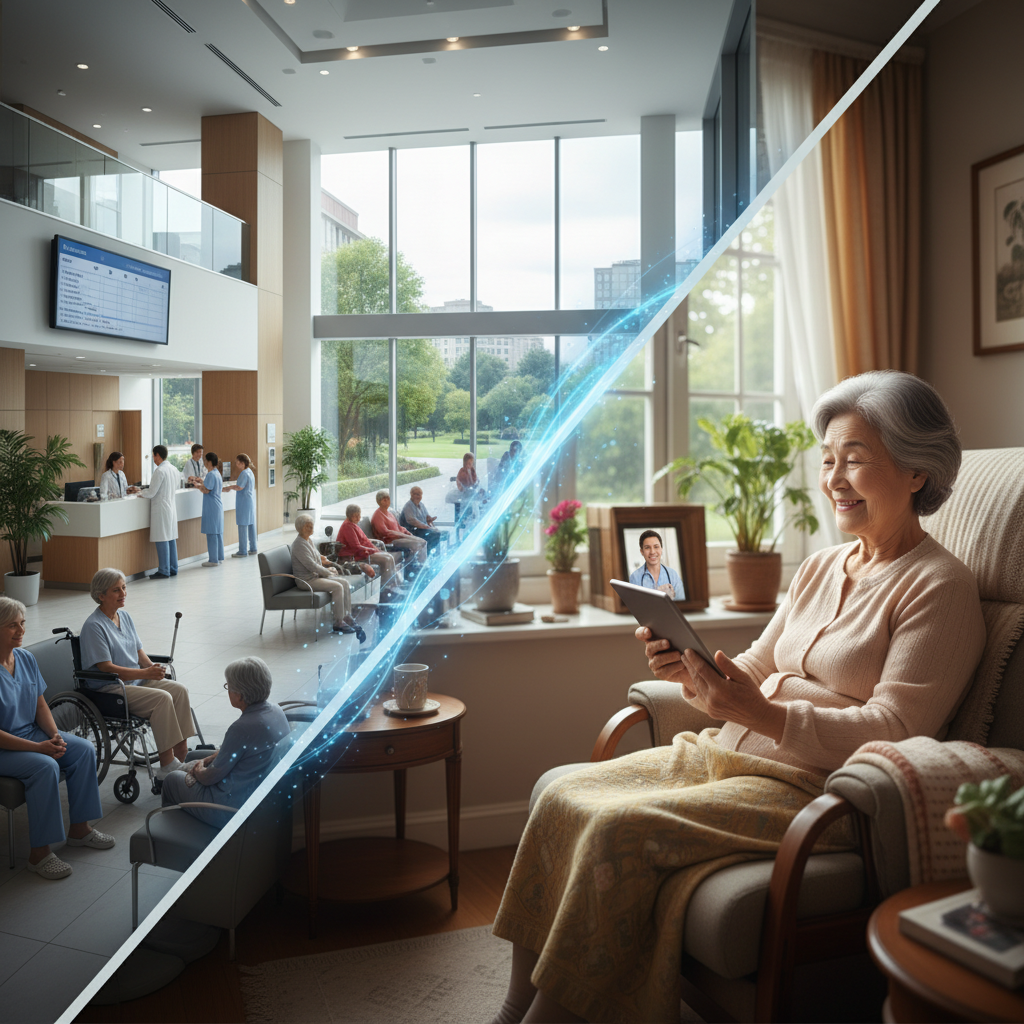
When evaluating different types of healthcare solutions available, one must consider various factors that align with individual needs and circumstances.
Traditional healthcare providers, such as hospitals and clinics, offer in-person consultations and a wide range of services,
making them suitable for patients requiring immediate attention or complex care. However, the accessibility and waiting times may pose challenges,
particularly for those with chronic conditions or limited mobility.
On the other hand, telemedicine has emerged as a popular alternative, allowing patients to receive care remotely through
video consultations and apps. This option is particularly beneficial for individuals in rural areas or those who prefer the convenience of seeing a healthcare provider from home.
Additionally, healthcare apps focusing on wellness and preventive measures can help users track their health metrics and engage in proactive health management.
By carefully considering these options, individuals can select a healthcare solution that best fits their lifestyle and medical requirements.
Comparing Costs and Benefits of Healthcare Plans and Services
When choosing the best healthcare solutions for your needs, it’s essential to critically compare the costs and benefits of available plans and services. Understanding how various plans work can significantly affect your financial and healthcare outcomes. For instance, the introduction of co-payment options may seem appealing at first glance, but it's crucial to delve deeper into how these arrangements can impact your out-of-pocket expenses when receiving medical treatment.
Tips: Always evaluate the total costs associated with a plan, including premiums, deductibles, and co-pays. Look for plans that provide transparent information on benefits versus costs, ensuring you are fully informed before making a decision.
Moreover, the integration of advanced technologies, such as artificial intelligence in healthcare, is changing the way services are delivered and managed. Evaluating how these innovations can enhance your healthcare experience might offer additional long-term benefits that traditional plans lack.
Tips: Consider healthcare providers that leverage AI to improve diagnostics and patient engagement. Such advancements can lead to more personalized care and potentially lower costs as efficiency improves in the healthcare system.
Assessing Quality and Reliability of Healthcare Providers
When selecting healthcare solutions, assessing the quality and reliability of healthcare providers is crucial. The global market for healthcare solutions is witnessing a significant shift, with projections indicating a rise from $849.2 million in 2025 to $1.4215 billion by 2032, representing a compound annual growth rate (CAGR) of 7.6%. This growth underscores the increasing demand for dependable healthcare services and the necessity of evaluating providers based on their established standards of quality.
Quality management frameworks, such as the new industry standard regarding pre-trained models in AI healthcare devices, provide essential guidelines for evaluating healthcare solutions. These standards outline the key quality attributes and evaluation methodologies that should be in place. With the surge in real-world data (RWD) and real-world evidence (RWE), which includes sources like electronic health records and claims databases, healthcare practitioners can now make more informed decisions about the efficacy of treatments and the reliability of providers. Ensuring that healthcare solutions meet established quality criteria is vital for achieving better patient outcomes and maintaining trust in healthcare systems.
Healthcare Provider Quality Assessment
This chart represents the assessment of various healthcare providers based on quality and reliability metrics. The data is fictional and aims to illustrate the differences in performance across several critical factors that patients might consider when choosing a provider.
Understanding the Role of Technology in Modern Healthcare Solutions
In today's rapidly evolving healthcare landscape, technology plays a pivotal role in shaping effective solutions tailored to individual needs. From telemedicine platforms that offer remote consultations to wearable devices that monitor vital signs in real-time, technological advancements are revolutionizing how patients access care.
These innovations not only enhance convenience but also facilitate timely interventions, ultimately improving patient outcomes.
Additionally, sophisticated data analytics tools are empowering healthcare providers to make informed decisions based on patient histories and treatment patterns. By leveraging electronic health records and predictive analytics, medical professionals can identify potential risks and customize treatment plans accordingly.
This data-driven approach not only streamlines workflows within healthcare systems but also fosters a more personalized patient experience.
As technology continues to integrate within healthcare, it is essential for individuals to understand
its benefits and how to choose solutions that align with their specific health requirements.