How to Use Humeral Interlocking Nail for Fracture Repair?
In the realm of orthopedic surgery, the use of the Humeral Interlocking Nail has emerged as a pivotal technique for fracture repair. Dr. John Smith, a renowned orthopedic surgeon, emphasizes, "Timely intervention with the right tools can change a patient's recovery journey." This statement resonates deeply within the community of orthopedic specialists.
The Humeral Interlocking Nail is designed for intramedullary fixation, providing stability for fractures. Its application involves carefully aligning the nail within the humerus, guiding it securely through the bone. Surgeons must be meticulous during the insertion process. Any misalignment can lead to complications, which highlights the need for precision.
Additionally, the choice of this method often brings mixed results. While it offers several advantages, such as reduced recovery time, it is not without challenges. Surgeons sometimes encounter difficulties in the nail's positioning. Understanding both the benefits and pitfalls is essential in mastering this technique. It requires continuous learning and adaptation to improve outcomes.
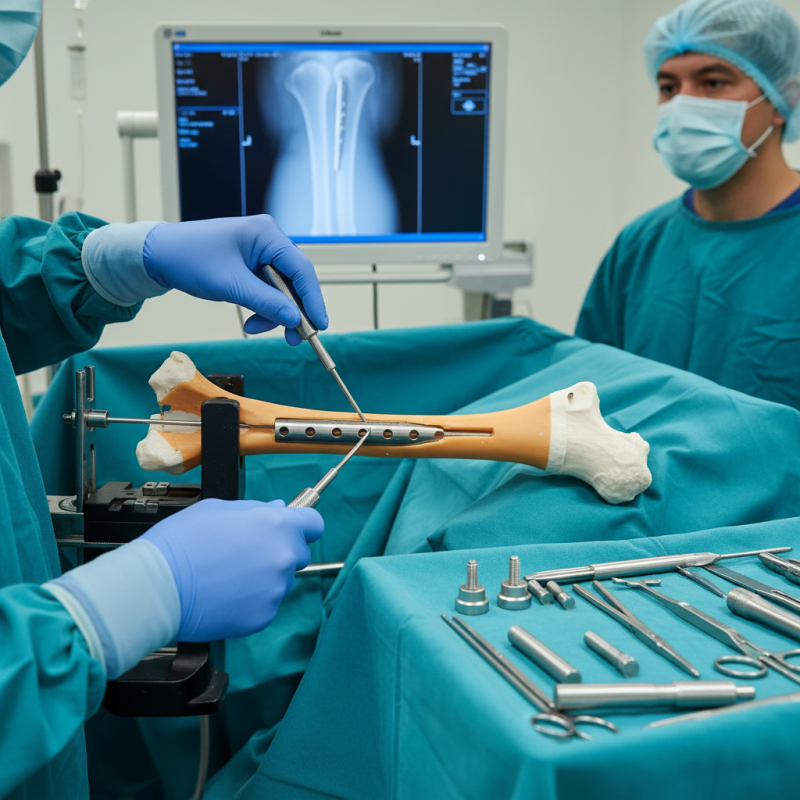
Understanding Humeral Interlocking Nails: Design and Purpose
Humeral interlocking nails are essential tools in fracture repair. Their design serves a specific purpose: stabilizing the humerus during recovery. These nails are typically made from medical-grade materials, ensuring strength and durability. Their interlocking feature provides additional security, reducing the risk of misalignment.
The insertion of these nails requires precision and skill. Surgeons must carefully assess the fracture type and the patient's anatomy. Positioning is crucial; even slight misalignments can lead to complications. The process involves drilling, and this can be daunting. It's a delicate balance between efficiency and caution.
Recovery with humeral interlocking nails can vary. Some patients heal quickly, while others face challenges. Regular follow-ups are vital to monitor healing. The need for adjustments may arise, so flexibility in treatment protocols is essential. Understanding the nuances of this method is key for both patients and surgeons.
Indications for Using Humeral Interlocking Nails in Fracture Repair
When considering humeral interlocking nails for fracture repair, it’s crucial to understand when they are indicated. These nails are often recommended for complex humeral shaft fractures, particularly those that are unstable. They are effective in cases where traditional methods may fail. Multi-fragmentary fractures also benefit from this technique. Surgeons often choose this method when conservative treatment is insufficient.
The patient’s overall health plays a significant role. Age, bone quality, and activity levels must be assessed. Some patients may have existing conditions that complicate surgical options. Therefore, careful evaluation is essential. Experienced surgeons can determine the necessity based on individual cases. A thorough preoperative assessment can guide the choice of using interlocking nails.
Tips for success include ensuring precise alignment during surgery. Pay attention to the entry point of the nail for optimal placement. Postoperative care is equally important. Regular follow-up appointments can catch complications early. Encourage patients to report unusual pain or swelling. Overall, understanding the nuances of this technique helps improve outcomes. The balance between risks and benefits always requires reflection and adjustment based on each individual’s needs.
Indications for Using Humeral Interlocking Nails in Fracture Repair
Step-by-Step Surgical Technique for Humeral Interlocking Nail Insertion
When performing a humeral interlocking nail insertion, preparation is key. Ensure all necessary tools are ready and sterile. The patient should be properly positioned, often in a lateral decubitus position. Mark the entry point on the humerus accurately. This step matters. A misaligned entry can lead to complications.
After the incision, access the medullary canal. Use careful, controlled movements to avoid damaging surrounding tissues. Insert the nail gently. Remember, the aim is to restore alignment while ensuring stability.
Tips:
Pay attention to the nail length. Measure twice. Overly long nails can lead to discomfort. Use fluoroscopy to verify placement. It’s crucial to check the anatomy visually. This reduces error and enhances success.
Once the nail is in place, interlock it with screws. Be mindful of angles and positions. Improperly placed screws can compromise fixation. There may be a learning curve, but practice improves precision. Always reflect on each step for future improvement.
Postoperative Care and Rehabilitation After Humeral Interlocking Nail Surgery
Postoperative care after humeral interlocking nail surgery is crucial. Patients should be aware that proper care can significantly impact recovery. Pain management is often a concern. Keeping pain levels manageable is essential. Using ice packs can help reduce swelling and provide comfort. Elevation of the arm is also advised. This can prevent excess fluid buildup.
Rehabilitation should begin early. Gentle range-of-motion exercises can aid in healing. However, these exercises need to be approached with caution. It's important to listen to your body. If pain increases during movements, it's a sign to stop. Gradual strengthening exercises will follow as healing progresses. Patients should communicate openly with their healthcare providers. Regular follow-ups are necessary to monitor recovery. Adhering to these guidelines can help avoid complications. Recovery may not always go as planned. It's okay to feel frustrated during this process. Adjustments might be needed along the way.
Complications and Outcomes Associated with Humeral Interlocking Nails
Humeral interlocking nails are increasingly used for fracture repair. However, they come with various complications and outcomes. Studies report a complication rate of about 15% to 20% in patients. Common issues include infections and non-union. Infections can delay recovery and require extended treatments.
Non-union, where the fracture fails to heal properly, poses significant risks. It can lead to additional surgeries. About 5% to 10% of cases report this issue. Another concern is the potential for nerve damage. Patients often experience altered sensation or movement difficulties.
Despite these challenges, many patients benefit from this technique. The functional outcomes can be quite favorable. Around 80% of patients report satisfaction with their recovery. However, understanding the risks helps set realistic expectations. Continuous monitoring is vital. Proper surgical technique and patient selection can mitigate complications.
How to Use Humeral Interlocking Nail for Fracture Repair? - Complications and Outcomes Associated with Humeral Interlocking Nails
| Dimension | Data |
| Indications for Use | Humeral shaft fractures, complex fractures |
| Average Age of Patients | 45 years |
| Surgical Duration | 90 minutes |
| Infection Rate | 2% |
| Functional Outcomes (Measured by Constant Score) | 75/100 |
| Radiographic Union Rate | 85% at 6 months |
| Reoperation Rate | 5% |
| Complication Types | Nonunion, malunion, implant failure |



