What is Muscovite Mica and its Uses in Various Industries?
muscovite mica is a fascinating mineral known for its unique properties. It is a form of mica, characterized by its perfect basal cleavage and shiny appearance. Often found in granitic rocks, muscovite mica has a rich history of use. This mineral has applications across various industries, making it highly valuable.
In the electronics sector, muscovite mica serves as an excellent insulator. Its heat resistance is impressive, making it crucial for electrical components. Many manufacturers rely on this mica type for its durability. In construction, it enhances the aesthetics and functional properties of materials. However, sourcing muscovite mica can raise environmental concerns. Efforts to mine it responsibly continue to evolve.
Moreover, muscovite mica is used in cosmetics, where its shimmering qualities are prized. The growing demand for natural products has sparked interest in its sustainable sourcing. Yet, challenges remain in ensuring ethical practices. As industries explore muscovite mica, the balance between use and responsibility becomes vital.
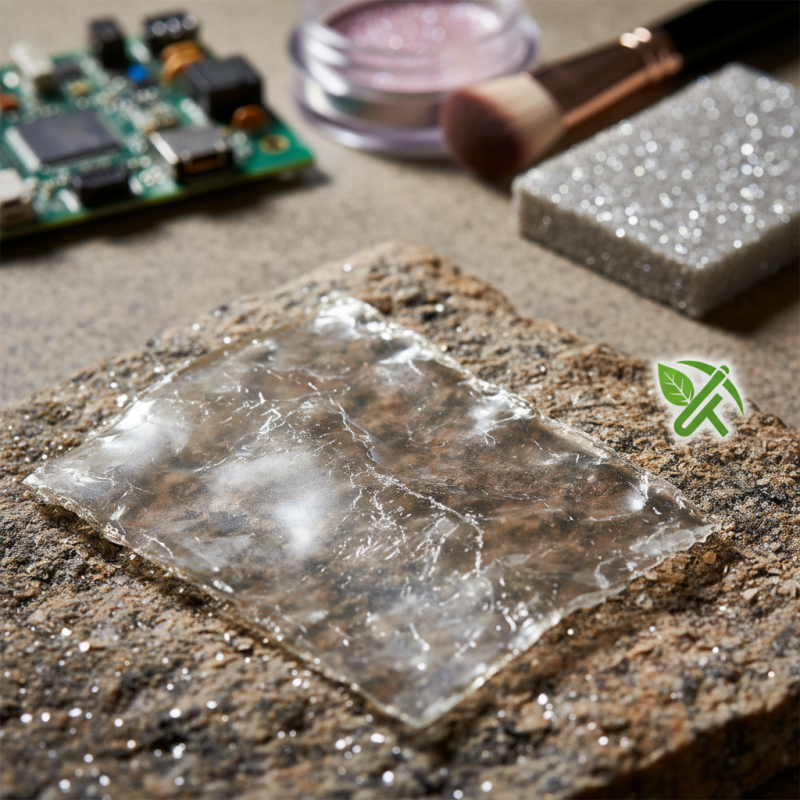
What is Muscovite Mica?
Muscovite mica is a naturally occurring mineral. It is part of the mica group, which consists of sheet silicate minerals. This mineral is known for its excellent dielectric properties and high thermal stability. Muscovite is commonly found in igneous and metamorphic rocks. Its lustrous appearance makes it a favorite in the cosmetic and electronics industries.
In industrial applications, Muscovite mica is used as a filler and an insulating material. Reports indicate that the global mica market was valued at approximately $560 million in 2021 and is expected to grow. The electrical industry uses it primarily as an insulator in capacitors and for other electronic components. Its high resistance to heat makes it suitable for high-temperature applications.
Muscovite's versatility is notable but not without concerns. Mining practices can sometimes harm local environments. Moreover, the purity of muscovite can vary greatly, which affects its performance in applications. Some industries are still assessing the material's sustainability. This highlights the need for careful consideration in sourcing practices and processing methods. Manufacturers must be vigilant about quality to ensure optimal use in their products.
Chemical Composition and Properties of Muscovite Mica
Muscovite mica is a silicate mineral with a soft and layered structure. Its chemical composition primarily includes potassium, aluminum, silicon, and oxygen. This unique arrangement allows muscovite to be split into thin, flexible sheets. Such flexibility makes muscovite mica valuable in numerous applications.
In the electronics industry, muscovite serves as an insulator. It can withstand high temperatures, making it ideal for electrical applications. In cosmetics, it acts as a shimmer agent, enhancing the appearance of products. Its light-reflecting properties give makeup a radiant finish.
Tips: When using muscovite in crafts, ensure the sheets are clean and free of debris. Feel the texture; it should be smooth and consistent.
In construction, muscovite’s durability adds strength to paints and coatings. These properties make it useful for both residential and commercial projects. Nevertheless, sourcing high-quality muscovite can be challenging. Sometimes, impurities affect its effectiveness.
Tips: Always check the source of your mica. Pure muscovite should be free from contaminants. Be mindful of how it interacts with other materials.
Industrial Applications of Muscovite Mica in Electronics
Muscovite mica is a versatile mineral widely used in various industrial applications, particularly in electronics. Its excellent insulating properties make it ideal for capacitors and other electronic components. Mica's ability to withstand high temperatures adds to its value, ensuring stability in critical environments.
When considering muscovite for use in electronics, it’s essential to source high-quality materials. Impurities can affect performance. For example, uneven particle size may lead to inconsistent electrical properties. Always test samples before making bulk purchases.
Another application is in cosmetics, where muscovite mica provides a shimmering effect in products. This shows its versatility beyond electronics. However, not all muscovite is created equal. The purity is crucial for safety and effectiveness in different products.
Keep in mind that while muscovite mica is beneficial, it may also raise environmental concerns. Its mining impacts local ecosystems. Therefore, it's vital to reflect on sustainable practices in its extraction and use.
Muscovite Mica in Construction and Automotive Industries
Muscovite mica is a versatile mineral used in various industries. In construction, it adds strength and durability to building materials. Its reflective properties enhance aesthetics. Mica is found in paints, roofing, and plaster. It also acts as a good insulator. This insulation helps reduce energy costs.
In the automotive industry, muscovite mica is employed in brake linings and electrical components. Its heat resistance improves safety and performance. Mica-based composites also contribute to lightweight designs. However, manufacturers must be cautious. Sourcing sustainable mica can be challenging.
**Tips:** Consider alternatives to traditional sourcing. Engage local suppliers for better transparency. Invest in training to ensure ethical practices. By being mindful, industries can support responsible mica use.
Environmental Impact and Sustainability of Mica Mining
Muscovite mica is a mineral widely used across various industries. It is valued for its excellent insulation and heat-resisting properties. However, the mining of mica poses significant environmental challenges. Over-extraction often leads to habitat destruction. The process can disrupt local ecosystems and threaten biodiversity.
Mica mining also raises social issues. Many miners work in dangerous conditions, facing health risks without adequate safety measures. Child labor is a serious concern in some regions where mica is sourced. This exploitation calls for urgent reforms and ethical practices in the industry.
**Tips:** Always check the sourcing of mica in products. Support companies that promote fair trade and sustainable practices. Stay informed about the impact of mica mining on local communities and ecosystems. Each small effort can contribute to a larger change.
What is Muscovite Mica and its Uses in Various Industries? - Environmental Impact and Sustainability of Mica Mining
| Industry | Uses | Environmental Impact | Sustainability Measures |
| Cosmetics | Used in makeup products for shimmer and coverage | Potential habitat disruption | Sourcing from certified mines |
| Electronics | Insulation in electronic components | Toxic waste generation | Recycling programs |
| Construction | Adding strength and durability to materials | Land degradation | Use of sustainable extraction methods |
| Paints & Coatings | Used as a pigment and filler | Air pollution during processing | Emission reduction technologies |
| Plastics | Enhancement of plastic properties | Resource depletion | Responsible mining practices |



