
What is Pharma Grade Hyaluronic Acid and Its Benefits?

Pharma Grade Hyaluronic Acid is gaining attention in the wellness industry. This compound is known for its unique properties that attract moisture. It plays a vital role in skincare and medical applications. The quality of hyaluronic acid matters significantly. Pharma Grade means it meets high standards, ensuring safety and effectiveness.

Many skincare products now include this ingredient. Users appreciate its intense hydrating effect. It can reduce wrinkles and improve skin texture. Additionally, it aids in joint lubrication and wound healing. However, the source and purity are crucial. Not all hyaluronic acid is the same. Some products may not deliver the promised results.

Understanding the benefits of Pharma Grade Hyaluronic Acid can empower consumers. It leads to informed choices in skincare and health. Yet, some might overlook potential side effects and reactions. Awareness is essential for a positive experience. This highlights the importance of research before trying new products.
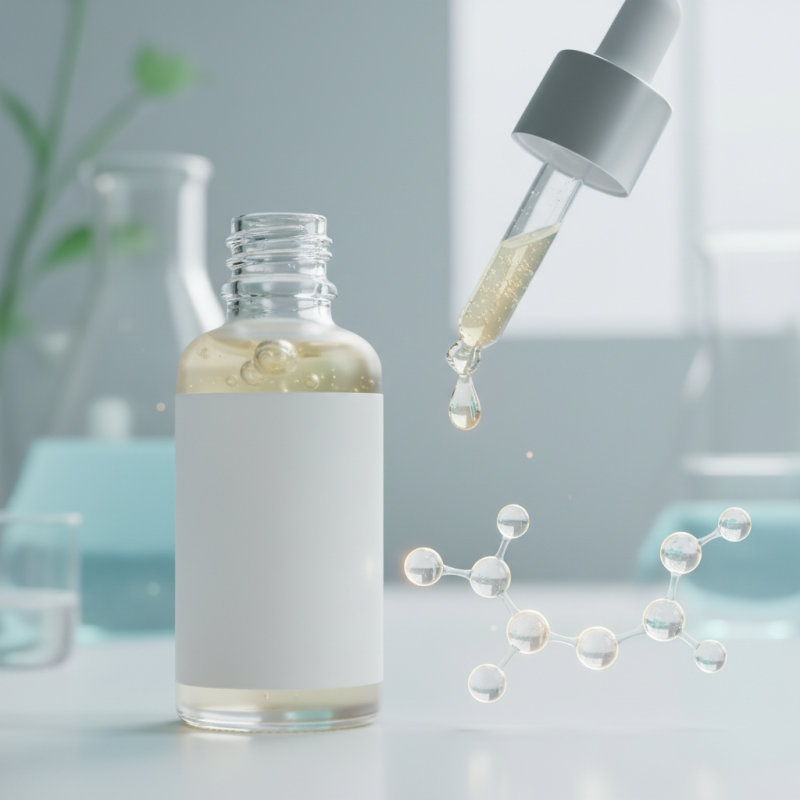
What is Pharma Grade Hyaluronic Acid and Its Benefits?

What is Pharma Grade Hyaluronic Acid?

Pharma grade hyaluronic acid (HA) is a high-purity form of hyaluronic acid, widely used in medical and cosmetic applications. It is a naturally occurring polysaccharide, primarily found in connective tissues. Pharma grade HA is manufactured under strict regulations, ensuring its safety and efficacy. According to a report by Grand View Research, the global hyaluronic acid market is projected to reach USD 13.2 billion by 2025.

The benefits of pharma grade hyaluronic acid are numerous. It is renowned for its ability to retain moisture. One molecule of HA can hold up to 1,000 times its weight in water. This property makes it a valuable ingredient in skincare products and injectable treatments. Clinical studies indicate that HA enhances skin hydration, reduces wrinkles, and promotes healing. However, some consumers report inconsistent results, raising questions about product formulation and concentration.

Pharma grade HA also plays a crucial role in joint health. It acts as a lubricant in synovial fluid, aiding flexibility and reducing friction. Studies have shown that HA injections can alleviate symptoms of osteoarthritis. These findings are significant, but individual responses to treatment can vary. Some patients experience improvement, while others report minimal effects. This variability highlights the need for further research to optimize HA therapies in different populations.

Differences Between Pharma Grade and Other Grades of Hyaluronic Acid

Pharma grade hyaluronic acid is a high-quality form used in various medical applications. It is produced under strict regulations to ensure safety and purity. This grade is often used in injectables for joint health and skin treatments. Its molecular weight is carefully controlled, which enhances its effectiveness.

In contrast, other grades of hyaluronic acid may not meet the same stringent standards. Cosmetic grade versions, for example, can have more impurities. They are suitable for topical products but might lack the efficacy of pharma grade. The differences in production methods can also affect the particle size. Smaller particles typically penetrate the skin better, but they may not provide the same structural benefits as those found in pharma grade.

Understanding these differences is crucial for healthcare providers and consumers. Many products claim to contain hyaluronic acid, yet their effectiveness can vary significantly. Not all applications require pharma grade, but for critical uses, the distinction should not be overlooked. Reflecting on these nuances can lead to better choices in treatments and skincare.

Key Benefits of Pharma Grade Hyaluronic Acid for Health and Beauty

Hyaluronic acid

is a powerful substance with remarkable health and beauty benefits. Pharma grade hyaluronic acid is of the highest purity. It is often used in skincare products and medical applications. This ensures effectiveness while minimizing risks. Its ability to retain water makes it ideal for hydration.

One key benefit is skin hydration. It can hold up to 1,000 times its weight in water. This makes skin appear plump and healthy. Many people find their skin looks brighter and more youthful after using it. However, results can vary, and some may not see immediate changes.

Beyond skincare, this compound also supports joint health. It acts as a cushion in joints, reducing pain and improving mobility. However, not everyone experiences relief, and some might question its effects. Finding the right dosage or form can also be a challenge. Balancing expectations is important when considering its use.

Applications of Pharma Grade Hyaluronic Acid in the Pharmaceutical Industry

Pharma Grade Hyaluronic Acid (HA) is increasingly recognized within the pharmaceutical industry for its diverse applications. This high-purity form of HA plays a vital role in drug delivery systems. A recent report from Transparency Market Research highlights that the global hyaluronic acid market is expected to reach USD 16.6 billion by 2027, reflecting significant growth potential.

In injectables, Pharma Grade Hyaluronic Acid is often used for its viscoelastic properties. It aids in the efficient delivery of therapeutic agents, enhancing bioavailability. This has made it a pivotal component in ophthalmology, particularly in eye surgeries. Data show that using HA in this context reduces recovery time and complications, creating a smoother surgical experience for patients.

While the benefits are evident, challenges remain. The high cost of purification processes can limit its accessibility for lower-budget applications. Additionally, standardization of HA sources can be inconsistent. This variability might impact the efficacy of treatments where precise dosages are crucial. As the market grows, addressing these issues will be essential for wider adoption in the pharmaceutical landscape.

Safety and Regulatory Aspects of Using Pharma Grade Hyaluronic Acid

Pharma grade hyaluronic acid is highly regarded for its purity and effectiveness in medical applications. The regulatory landscape ensures that these products meet stringent safety standards. The U.S. Food and Drug Administration (FDA) sets rigorous guidelines for hyaluronic acid used in pharmaceuticals. This maintains quality and safety for consumers.

Clinical data underscores its benefits. A report from the Journal of Clinical Aesthetics reveals that hyaluronic acid can significantly improve skin hydration by up to 90% in treated areas. This is essential for health professionals recommending it for skin care or injectable treatments. September 2021 saw a surge in the production of pharma grade hyaluronic acid, reflecting its growing importance in medical formulations.

Tips: Always choose products with clear labeling. Ensure they are certified by relevant authorities. Remember, even popular materials can pose risks if not manufactured correctly. Check for third-party testing to validate claims.

Not all products labeled as 'pharma grade' are created equal. Some may not adhere to all safety regulations. This can create uncertainty around their effectiveness and safety. It’s vital to consult healthcare professionals before using such products in various applications.