What is a Soap Bar Strainer and How Does It Work?
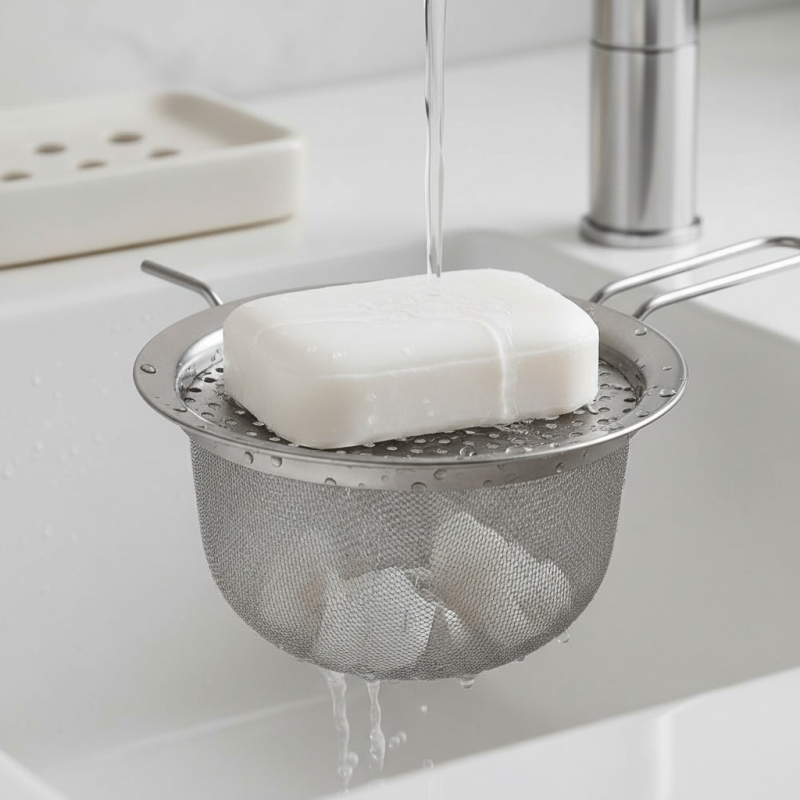
A soap bar strainer is a simple yet effective kitchen tool. It plays a crucial role in the everyday task of rinsing soap bars. This strainer helps capture small pieces of soap that often go down the drain. By doing this, it prevents clogged pipes and waste.
Imagine a soap bar being used daily. Over time, tiny bits break off and float away. These remnants can be slippery and hard to clean. Here, the soap bar strainer makes a difference. It allows water to flow freely while catching all those fragments.
However, this tool may not always be perfect. Sometimes, larger particles still escape. Furthermore, its design can become a bit cumbersome. Cleaning the strainer itself may also take some effort. Yet, the benefits it provides in minimizing waste cannot be denied. A soap bar strainer is an ingenious solution for soap lovers everywhere.
What is a Soap Bar Strainer? Definition and Purpose Explained
A soap bar strainer is a practical tool for those who use bar soap regularly. It is designed to catch any debris or soap particles that may break off during use. These small pieces can create a mess in your sink or shower. The strainer helps maintain a clean space while extending the life of your soap.
This device typically features a mesh design that allows water to flow through while trapping the soap remnants. The purpose is straightforward: keep your washing area tidy. However, using a soap bar strainer can sometimes be more of a hassle than anticipated. It may require regular cleaning, which can be overlooked in busy lifestyles.
The size and style of soap bar strainers vary greatly. Some sit on the soap dish, while others hang directly in the sink. Choosing the right one can be tricky. Sometimes, the strainer may not fit perfectly, leading to soap residue clogging your sink anyway. Overall, while the soap bar strainer is useful, its effectiveness often depends on user diligence.
The Mechanism of a Soap Bar Strainer: How It Cleans Effectively
A soap bar strainer is a clever tool designed for cleaner lather. It’s simple yet effective. The mechanism relies on small holes or mesh that filter out impurities. When you rub a soap bar over it, the excess particles stay behind.
As water flows through the strainer, it captures soap residue and debris. The clean liquid then seeps through, providing a smoother wash. This method helps preserve the soap’s life. It also ensures that your skin doesn’t encounter unwanted bits. Sometimes, though, the strainer can get clogged. Regular cleaning is a must. Otherwise, it defeats its own purpose.
Many users overlook this maintenance. It’s easy to forget how crucial this step is. Without timely cleaning, the strainer can become a breeding ground for bacteria. That’s not ideal for anyone seeking a hygienic wash. Instead of just relying on convenience, take responsibility for your soap bar strainer. Its effectiveness hinges on how well you care for it.
What is a Soap Bar Strainer and How Does It Work? - The Mechanism of a Soap Bar Strainer: How It Cleans Effectively
| Feature | Description | Benefits |
| Material | Typically made from stainless steel or plastic. | Durability and resistance to corrosion. |
| Design | Compact size with fine mesh. | Effective filtration of soap particles. |
| Function | Filters out impurities and debris. | Improves the quality of the soap used. |
| Ease of Use | Simple installation and removal. | Convenient maintenance and cleaning. |
| Application | Used in various soap dispensers. | Versatile for both home and commercial settings. |
Materials Used in Soap Bar Strainers: Durability and Performance
Soap bar strainers are essential tools for enthusiasts who create homemade soaps. These strainers are designed to help filter out impurities, ensuring a smoother and cleaner final product. When looking at materials used in soap bar strainers, durability is crucial for performance.
Common materials include stainless steel and silicone. Stainless steel strainers offer strength and resistance to corrosion. They can withstand repeated use without degrading. Silicone, on the other hand, provides flexibility. It is easy to clean and does not retain odors. However, silicone may not last as long under rigorous use.
Some users prefer plastic options, but these can wear down quickly. They may not be as effective for long-term use. Choosing the right material depends on personal preferences and intended usage. Each material has its pros and cons. Reflecting on your choice can save frustration later. Consider what best fits your soap-making routine.
Materials Used in Soap Bar Strainers: Durability and Performance
This bar chart illustrates the durability ratings for various materials used in soap bar strainers. Each material is rated on a scale from 1 to 10, showcasing how they perform in terms of durability.
Industry Standards: Efficiency Ratings and Best Practices for Strainers
When considering soap bar strainers, understanding industry standards is crucial. Efficiency ratings vary widely across different models. Reports suggest that high-performance strainers achieve over 90% efficiency in filtering particulates. This can significantly reduce contamination in soap production. Proper maintenance, according to industry best practices, helps ensure longevity and effectiveness.
Observation shows that many facilities overlook routine checks. Neglecting maintenance can reduce a strainer's efficiency by as much as 30%. This not only affects product quality but also operational costs. Regularly inspecting strainers and replacing them when necessary is vital. Keeping up with maintenance schedules can prevent costly downtimes.
Tips: Use a logbook to track maintenance dates. It can help identify recurring issues. Visual inspections should be part of weekly routines. These small actions lead to significant improvements. Strainers may seem simple, yet their role is pivotal in the larger production process. Time spent on maintenance is time saved in production.
Common Applications of Soap Bar Strainers in Various Industries
Soap bar strainers play a crucial role in many industries. In wastewater treatment, these strainers filter out solid pollutants before the liquid undergoes further processing. According to a recent industry report, about 30% of operational issues in treatment facilities are related to poor filtration. Inconsistent filtration can lead to increased operational costs. Soap bar strainers help reduce these costs by maintaining a consistent quality of processed water.
Moreover, these strainers find applications in the food and beverage industry. They effectively remove solids from liquid ingredients, thus ensuring product quality. Reports indicate that product recalls due to contamination can cost companies millions. A small investment in soap bar strainers can mitigate this risk significantly. However, not all strainers are created equal. The right material composition is essential. Using inferior materials may lead to premature wear and tear.
In pharmaceuticals, soap bar strainers ensure that liquids are pure and safe for consumption. This is vital for meeting stringent regulatory requirements. Data suggests that 20% of penalties in this sector arise from compliance failures. Continuous training and proper maintenance of filtration systems can alleviate such issues. Strainer performance often varies with different fluids, which is a common challenge in these applications.